Effective software license management is crucial for companies leveraging digital tools. Understanding the nuances of licensing and ensuring compliance can save organizations from legal issues and unnecessary expenses. This article delves into essential strategies for managing software licenses, focusing on common challenges and solutions.
The Role of km spico in License Activation
The tool known as km spico plays a significant role in software license activation. Specifically designed to assist with KMS activation, it enables users to activate various versions of Windows, including kmspico for Windows 11 and Windows 10. Moreover, its utility extends to activating office products like KMS Office 2016. The simplicity and effectiveness of this tool make it a preferred choice for many users who seek reliable activation without the hassle of complex procedures.
One of the main attractions of km spico is its ability to handle multiple activations seamlessly. For businesses that operate numerous machines, this tool provides a unified solution, allowing them to maintain consistency across their systems. The flexibility offered by km spico ensures that even with diverse operating environments, organizations can manage their software assets effectively, minimizing downtime and enhancing productivity.
Understanding km spico’s Mechanism
km spico operates by mimicking a Key Management Server (KMS) within an organization’s network. By doing so, it allows the activation process to occur locally rather than requiring each computer to connect externally. This method proves advantageous, especially when dealing with office 2016 activator needs. The decentralized nature of km spico makes it a popular choice among those seeking straightforward activation solutions.
This internal network emulation creates an efficient system where the activation process becomes more streamlined and less dependent on external factors that could introduce variability or risk. Businesses often find this method beneficial as it reduces reliance on continual internet connectivity and external servers, which can be unpredictable or lead to security concerns. Discover essential patterns in managing software license compliance by visiting www.kmspico.lc for comprehensive insights and resources.
Legal Considerations of Using km spico
While km spico offers practical benefits, it’s important to note the legal implications. Organizations must ensure that their use of such tools aligns with software licensing agreements and regional regulations. Failure to adhere to these guidelines can result in significant penalties. Hence, understanding the distinction between legitimate kmspico free download sources and unauthorized ones is vital.
The legality surrounding software activation tools like km spico remains a gray area for many users who might not fully understand the intricacies involved. It is crucial for companies to consult legal experts when integrating such technologies into their operational framework to avoid potential infractions that could harm their reputation or incur financial losses.
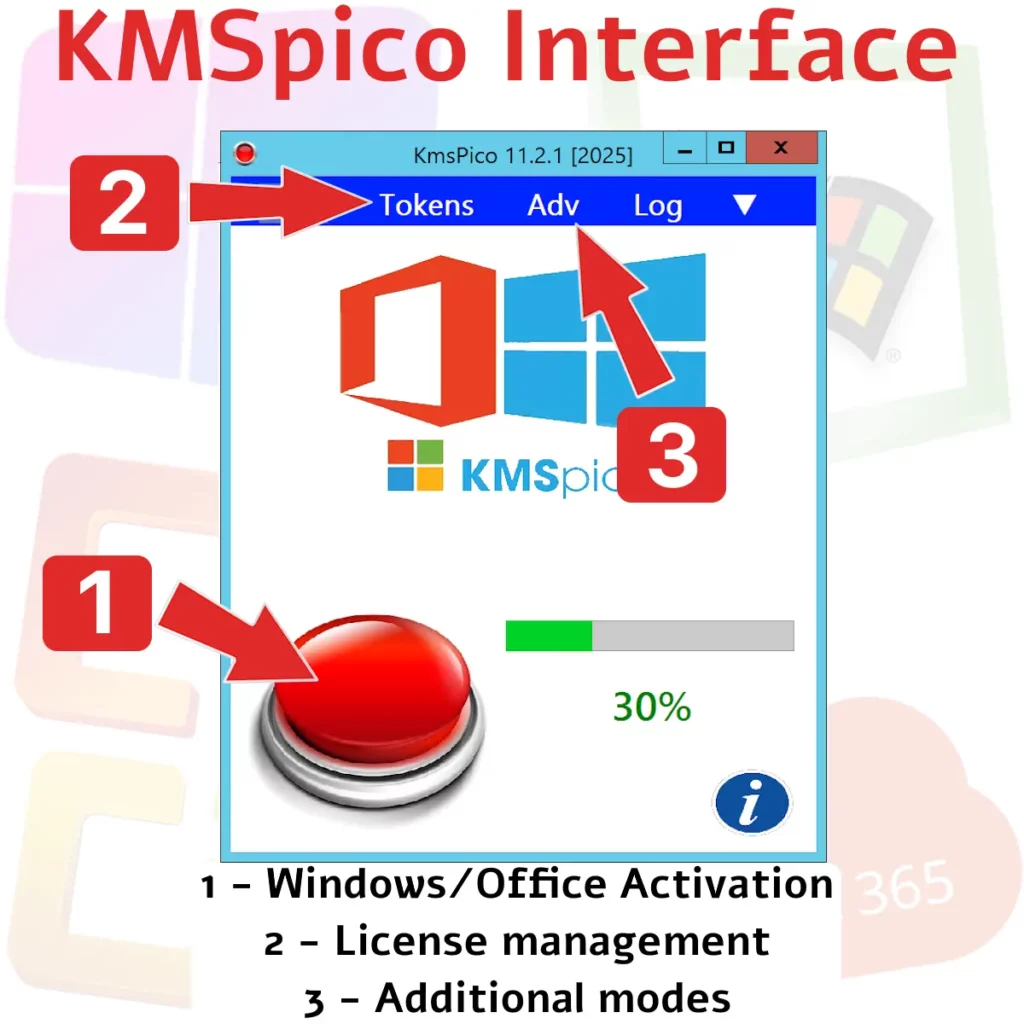
KM Spico Compatibility with Modern Systems
As technology evolves, so does the need for updated activation tools. Users often inquire about the compatibility of km spico with newer operating systems like kmspico Windows 11. Staying informed about version updates, such as kmspico 11.2.1, ensures seamless integration with existing infrastructure.
The dynamic nature of IT environments necessitates regular updates and evaluations of all software components in use. With new versions of operating systems being released frequently, ensuring that tools like km spico are compatible is essential for maintaining operational efficiency and avoiding disruptions.
Deploying kmspico in Organizational Environments
Deploying kmspico across multiple machines requires careful planning. One essential step involves using deployment tools like DISM to streamline installations across several devices efficiently. Ensuring compatibility with system requirements, such as a minimum VM configuration of 2 vCPU and 4 GB RAM, is crucial for optimal performance.
A systematic approach towards deployment not only saves time but also reduces errors associated with manual installations. Organizations benefit from standardized processes that allow them to implement updates swiftly while maintaining high standards of quality control throughout their IT operations.
Practical Strategies for License Compliance
Maintaining compliance involves more than just activation; it requires ongoing monitoring and management. Regular audits are indispensable in verifying adherence to licensing terms and identifying potential discrepancies.
This proactive stance on compliance management helps organizations stay ahead of any potential issues that might arise due to oversights or misinterpretations of licensing agreements. By routinely examining their practices against industry standards and regulatory requirements, companies can ensure they remain compliant at all times.
Using Metric Units for Resource Allocation
An interesting analogy involves using metric units like kilometer calculation and distance measurement to allocate resources effectively. Much like calculating distances helps in planning travel routes, assessing software use metrics aids in optimizing license distributions across departments.
This analytical perspective allows managers to visualize resource allocation more clearly, making informed decisions about distributing software licenses where they are most needed without unnecessary waste or redundancy.
The Spice Blend Approach to Software Management
A diverse yet cohesive strategy—akin to a well-mixed seasoning mix—ensures comprehensive license management. Incorporating varied methods such as automated tracking tools alongside manual audits provides a balanced approach.
This mixture of techniques caters to different aspects of license management, ensuring thorough oversight while enabling adaptability in response to changing organizational needs or technological advancements.
Integrating Advanced Tracking Tools
The adoption of specialized software tracking tools enhances oversight capabilities. These tools offer real-time monitoring and can alert administrators to unauthorized changes or anomalies in software deployments.
Advanced tracking solutions empower IT departments by providing detailed insights into software usage patterns, enabling quick identification and resolution of irregularities before they escalate into larger issues impacting business operations.
Conclusion: Enhancing License Compliance Programs
A successful license compliance program hinges on understanding both technical mechanisms like km spico and broader strategic approaches involving ongoing analysis and resource allocation. By staying informed about updates like KMS activation methodologies and employing robust management practices, organizations can navigate the complexities of software licensing more effectively.
- Ensure legal compliance while using tools like km spico.
- Keep abreast of updates such as kmspico for Windows 11 compatibility.
- Leverage analogies from metric units and spice blends for resource allocation strategies.
- Adopt advanced monitoring technologies alongside traditional auditing methods.
- Cultivate an organizational culture focused on continuous education about licensing changes.
- Create clear documentation outlining processes related to license management roles within teams.
- Pursue partnerships with vendors offering training sessions on effective use of license management tools like km spico.